Review: Aviation Stories For Curious Kids

Aviation Stories For Curious Kids

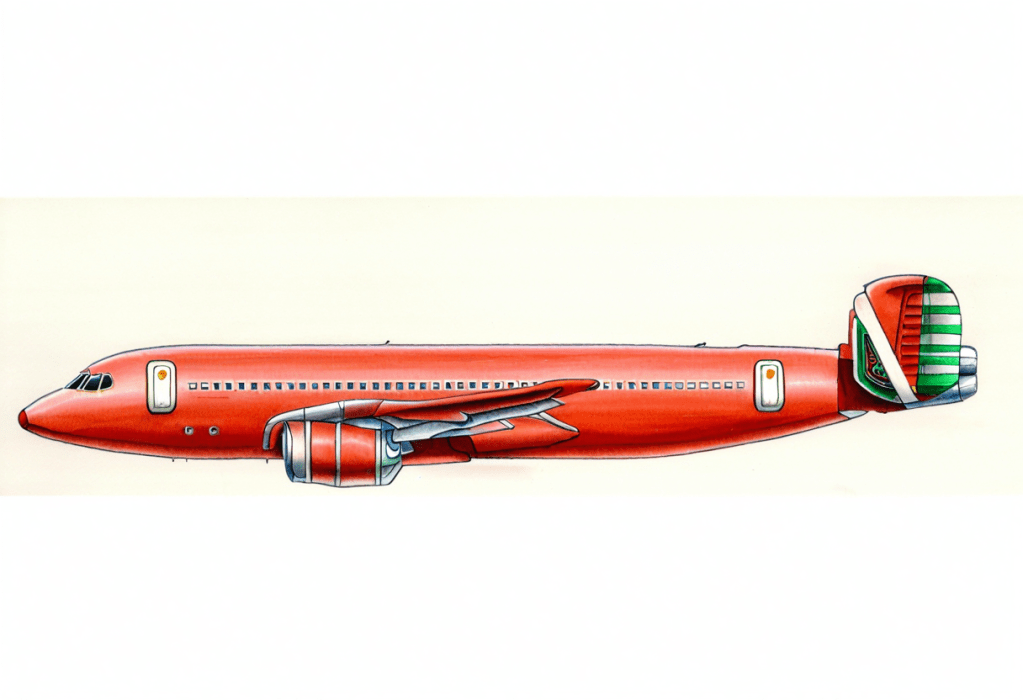
Reading a book made extensively with AI is a genuinely interesting feat for me. The illustrations in Aviation Stories For Curious Kids give it away from the start-diffusion image models are notoriously bad at making airplanes without an established outline. That the text parts follow the Q and A quiz model of “Here’s things in a whimsical tone, now a question” gives it away more, though I’d be curious how much was manual.

As it sticks to the famous events that LLMs can (generally) get right (even if it’s just big sample size), there isn’t much too objectionable here. The exception is Laika, which is treated as a wonderful canine adventure and not a cruel sacrifice of a dog one on what everyone knew was a one-way trip for the sake of a publicity stunt.

At least it’s interesting, which is more than I can say about a lot of books reviewed here. Even if it’s not exactly recommended.

Text LLMs

Not despite but because I’m a writer, I’m looking more at text AI LLMs/models and using them. Why? Well, we have to go back to Leopold Stokowski, a legendary conductor who supposedly saw one of the first sound mixers and went “uh, so what do you need me for?” He of course then got to work studying and using them, knowing he couldn’t be left behind from this combination threat and opportunity. Image AI generators have been beautiful for me because they didn’t overlap. Writing ones do overlap, which is why I’m finding them interesting.

Part of the reason (besides knowing they’re just a rich man’s autocomplete dependent entirely on inputs) I was less panicky about AI is because my family has lived through a lot of creative technical changes already. Musicians may not like and not use synthesizers if they can help it, but they have to know how they work. Same for writing.

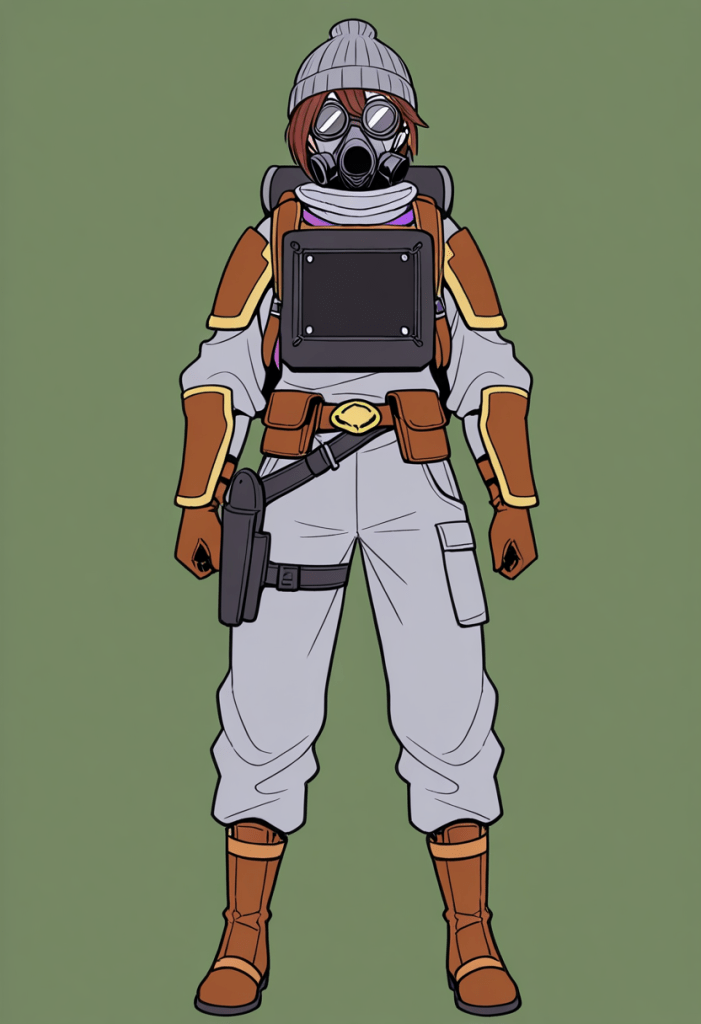
Another Operator-Ette

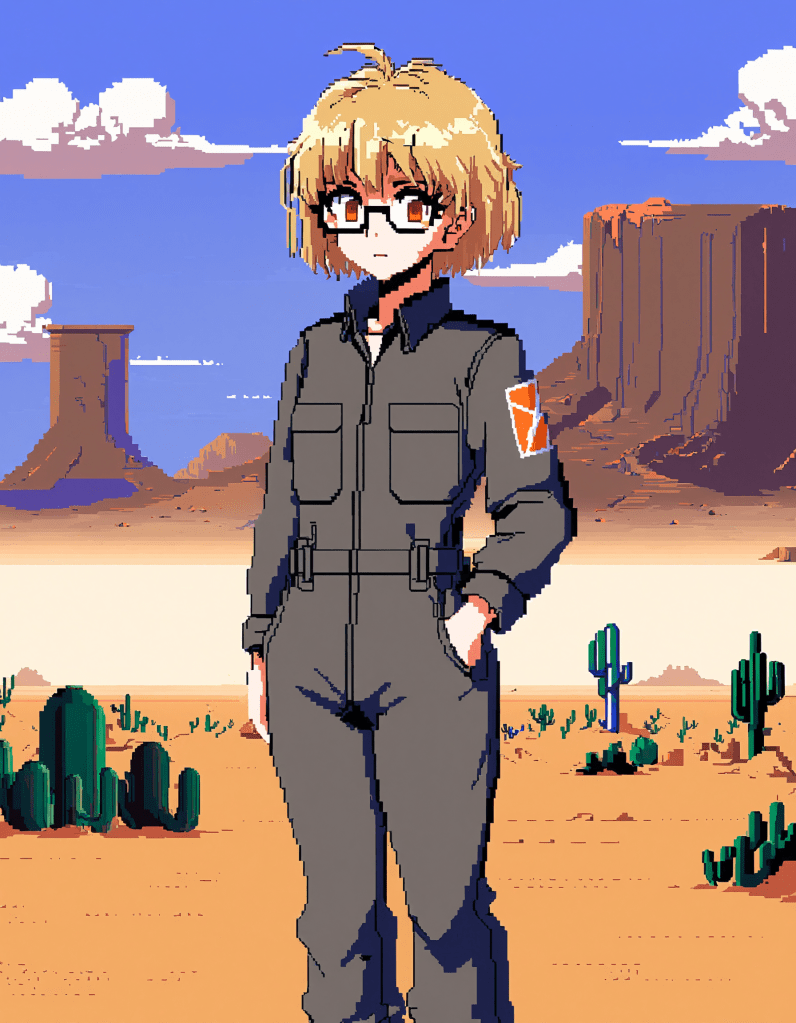
Image made in Stable Diffusion

One of the things I love doing in Stable Diffusion is adding in a bunch of stylistic prompts and applying it to someone in a military uniform. This young lady here is one of my favorite recent generations.

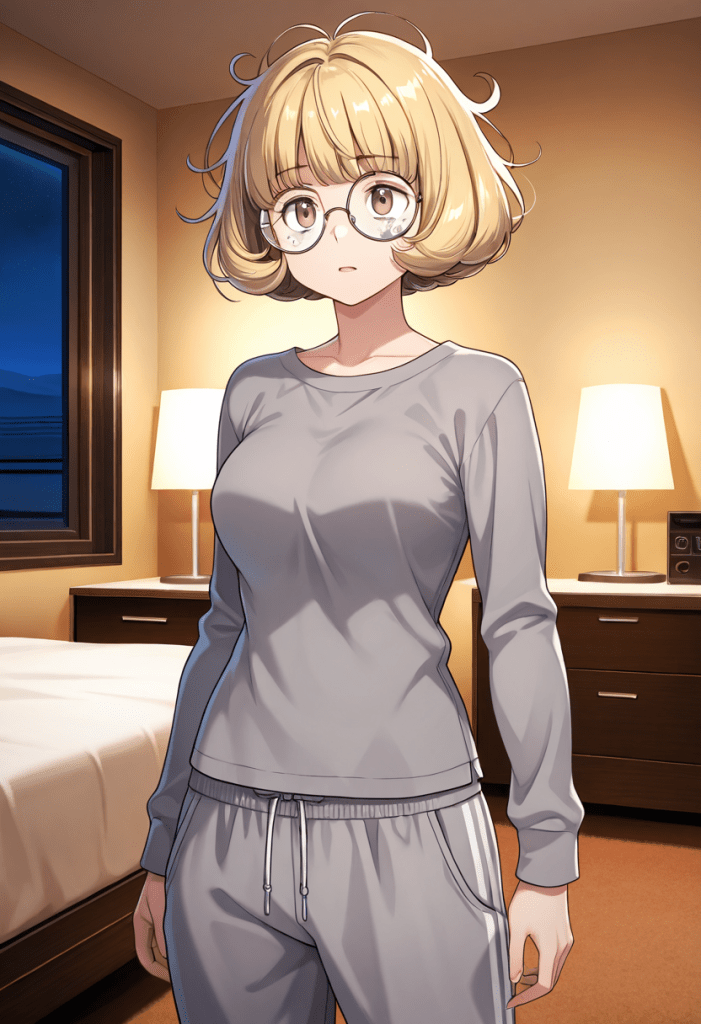
Meet Claire

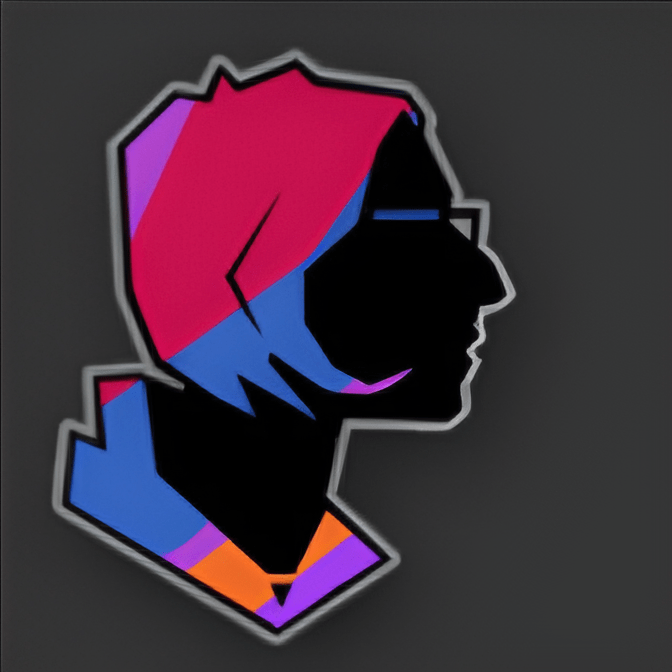
Meet “Claire Velazquez”, one of my latest AI projects. Claire began life as one of the blank-slate characters with no face. Namely, she was one of the runaways you could control in Road 96, with this random icon being the only clue as to her looks.

So with the only cues being “short hair in some kind of bob” and “glasses”, I turned to prompting various Stable Diffusion models. Claire tends to wear grey working clothes and in her anime depictions has orange eyes.

Claire was a runaway (duh) with a long and “eventful” journey. She managed to escape via truck (the method that avatar used) and find employment outside of Petria.

Making vehicles in Stable Diffusion

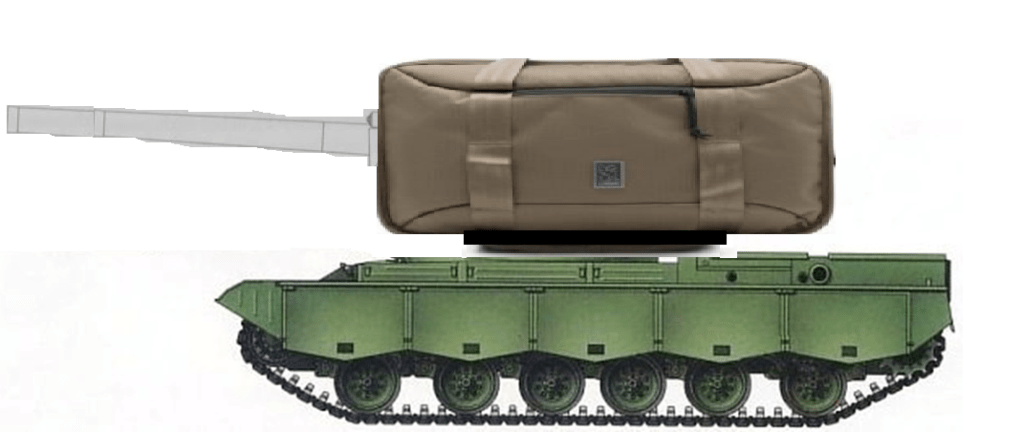
Simple guide to how I bash together vehicles in Stable Diffusion.
First assemble the shape. In this case it’s the bottom of a tank, a suitcase (!), and a line drawing of a large-caliber field piece.

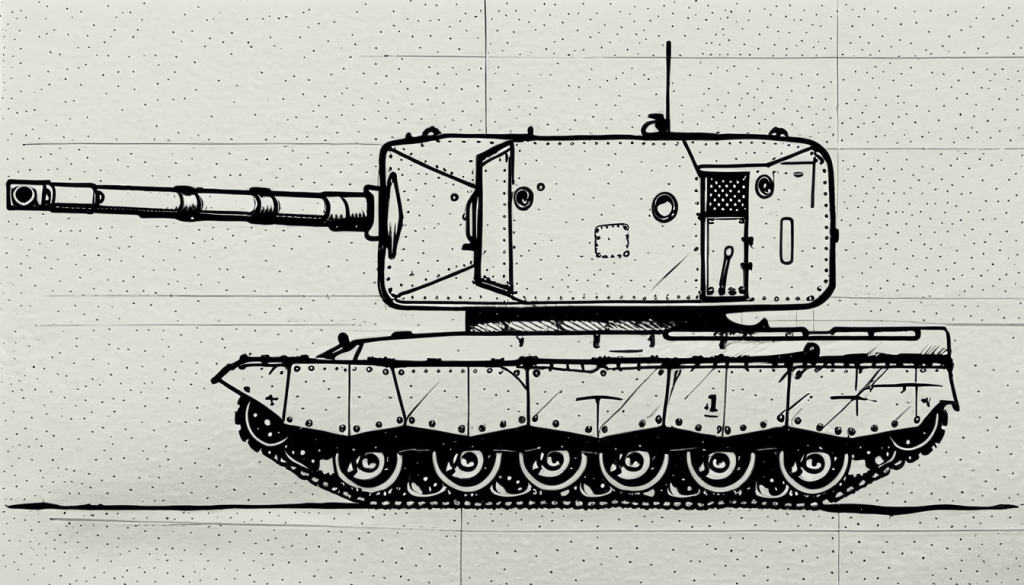
Then load up Stable Diffusion with a controlnet, in this case, depth.

Use the model and prompt (In this case I use Helloworld 6.0), make sure the controlnet is enabled but not too high, and you get…

One self-propelled AH vehicle!

The BTR-92

Stable Diffusion has given me the chance to bring a vehicle from All Union to life. Now I had a vision of what the “BTR-92”, the wheeled mainstay of the Mobile Corps, looked like, but on the pages it was described only as “blocky” (and wheeled).

So how I made it: I first smushed some elements together externally. The top and turret came from other APCs, while the bottom (possibly meant to symbolize it being built on that truck’s chassis) came from a Ural-4320. Then I used it as the outline for a controlnet to avoid the “AI doesn’t know what shape to make it” issue.

It’s of course not perfect and with some nitpicking/hindsight, I’d probaby make something that looks less like a low-end APC/MRAP and more like a futuristic advanced one. But it’s still the general shape I wanted, and it was still very fun to make.