The Writing Lull

One of my least favorite parts of creative work is the writing lull after something gets finished. And now with The Fuldapocalypse World War III book out, I’m feeling it again. Oh, work on the next All Union. No, work on that other project you wanted. No, work on…

I’ve learned after years of creative writing that it’s very hard to force creativity. I just have to wait and see what inspiration comes to me next. Hopefully it’ll be good and workable.

How Computers Destroyed (And Could Save) Cover Art

I just found this great article called “When Movie Artwork Was Great.” Long story short, the cover was an important part of advertising, and thus was worth the expense even for otherwise low-budget productions. A combination of computer tools making it easy to do a basic cover (Ie, it’s not like “you have to hand-draw it anyway…), and lower production values as the industry got squeezed meant that generic photoshopped mush took over.

It felt very familiar to me because the exact same thing happened concerning book covers for exactly the same reasons. Weirdly enough, otherwise high-profile books tended to have minimalist covers from the get-go. But trashy pulps that couldn’t even keep the main character’s name consistent (I’m not joking) would have spectacular covers from the likes of Gil Cohen and Ken Barr.

Now it’s just-look at the book section of a grocery store and you’ll know.

I mentioned the ability to improve book covers at very little cost as one of the upsides of AI art. Now that I’ve gotten more into it, I can say even more comfortably that something quickly makeable with the least controversial models (closed source, public domain only, etc…) and only small amounts of manual tweaking could leave most contemporary covers in its dust.

So yeah, shed a tear for the running silhouettes and clunkily shopped-in muscle men. I know we’ll all miss them so much.

Creative Update

Unfortunately, my work on All Union’s successor has been slowed due to two factors, one unpleasant and one very pleasant. The unpleasant reason is that it’s been getting hot and, worse, allergies are in full blast. The pleasant reason is that I just got an excellent new computer, so that’s been occupying a lot of my time.

While I still want to do Soldiers of the Void, my original planned direct successor, I’ve found my creative muse leading towards a less militarized, more political thriller that I’ve called A Period of Cheating. The driver of that plot is nuclear arms control negotiations, and I’m already having a lot of fun.

AI Art and Wargaming

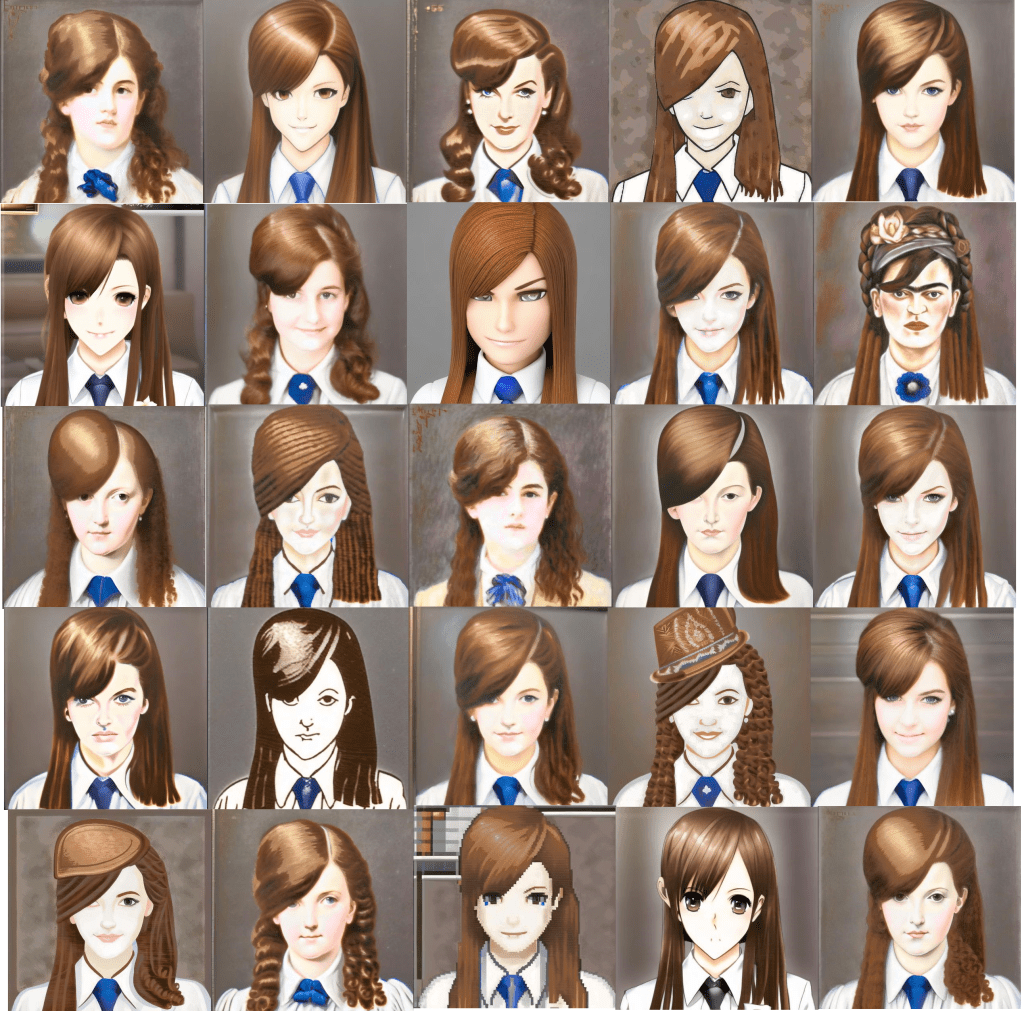
So I’ve fallen to the dark side and have begun making prompt-generated pieces of AI art. This is a very controversial subject with a lot of undeniably talented artists who I respect being furious about it, and understandably so. If I had to sum up my opinion on the controversy (beyond specific technical issues like how to treat stuff like training images for the sake of copyright and licensing), it’d be condensed to this:

  • AI art is here and isn’t going away. It also has undeniable advantages as well as issues. The economic concerns of traditional artists are real.
  • Many AI artists have done their medium no favors by just spamming out low-effort prompts and/or deliberately copying obscure internet artist styles, either by model-making or just plain image-to-image.
  • The backlash, while understandable, is a Canute-ian endeavor (sorry, had to be a little pretentious). The same thing was said about Photoshop and similar tools. And online self-publishing. And recorded music. And photography. And pipe organs (seriously-the 17th century equivalent of “tech-bros” was applied to the stereotype of organ players back then). Like when free agency became a thing in sports, you have to learn to understand it and see if you can use it to your advantage.
  • There’s more to good AI art than just typing in “anime girl trending on artstation”, even if a lot of people only see that (see point 2 above)

But as a hobby, since I can write much better than I can draw, AI prompt tools have let me explore visual media in a delightful way. Yet what struck me when I really started getting into was how natural it seemed to me. And then it occurred to me: I’d done something similar before. Many, many times before. In wargames and simulators like Command, Nuclear War Simulator, Title Bout Boxing, and WMMA, I’d enjoyed simply creating a situation, allowing the RNG to add the needed element of chance to it, and then witnessing the result. And yes, frequently getting inspired by the result.

AI prompt tools allow me to do something similar with art and pictures. Yes, it can be an end. But a casualty list after a wargame scenario or results screen after a sports simulation can also be the beginning of a very human story.

As for AI writing, which is a thing, I’m strangely unfazed by it. I’m an artisanal sculptor, so seeing the metal casting factory rev up means little to my specific work. If that makes sense. Also, I’ve had the warped perspective of reading so many bad and mediocre books that I’m sincerely convinced that a computer can’t really do much worse.

Escape From The Facility

My current People Playground mod-enabled obsession is the “Facility Escape”. The background for this RP is simple: A character from another setting is trapped in the mysterious mad science super-facility and has to try and escape, fighting their way past an army of workers, security contractors, androids, and who knows what else.

Characters from settings as distinct as Undertale and Hotline Miami have been placed in the playground. The (intentional) clumsiness of the human figures just, if anything adds to the fun. There’s nothing like jury-rigging an “epic” sword vs. chainsaw battle.

Characters who have “earned the privilege” of escaping have the final exit simulated by a black hole being created with them sucked in. This symbolizes a portal to their home setting (or somewhere else?) being activated.