Merry Christmas from Fulapocalypse!


Merry Christmas from Fulapocalypse!
Fuldapocalypse now has a cropped section from my “Stable Diffusion XL with just World War 3 as the prompt” picture. It may be an interim picture as I make/find a better one, but I think the old stock photo of Bulgarian T-72s was due for a change.
I’ve had a dream in my mind for how I wanted the GEC Dome, a fictional football stadium, to look. It was to have a sort of pseudo-castle exterior. While attempts with prompts alone to make it in Stable Diffusion failed, making a reference image and careful controlnetting succeeded in making several far closer concepts.


So in Stable Diffusion XL, I typed in the simple prompt “World War III”, used 1985 as the seed number, and got this:

Not bad.
I talked about my fictional 7th Marine Division before. Now I have a more detailed personal organization (though still undoubtedly rough and with inaccuracies). Here it goes. ORBAT chart courtesy of the Spatial Illusion Unit Symbol Generator.
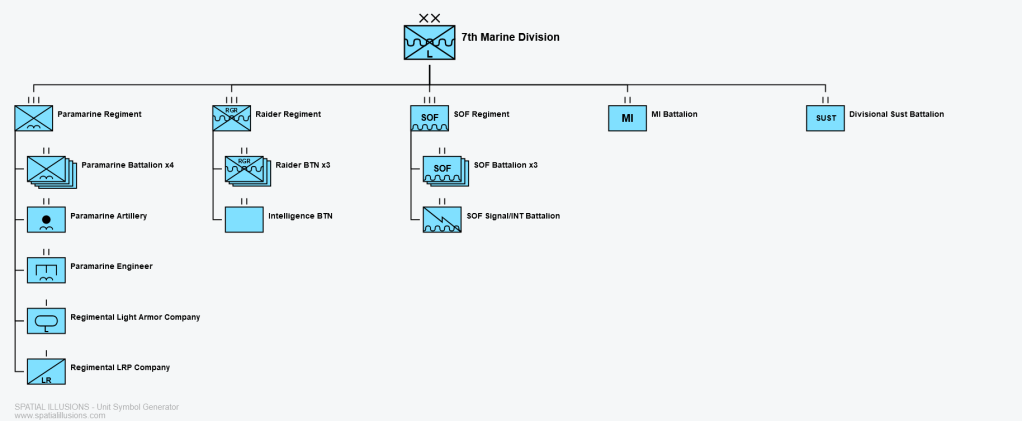
The Paramarine Regiment is like many other light airborne units, with the exception that it has four battalions instead of the usual three and its artillery battalion has thus been increased to four cannon batteries likewise, along with the other regimental support units similarly beefed up. This is to allow each battalion to serve as an independent combined arms unit to hold ground if necessary (ie around a battery in a fire support base with a battalion of infantry and an LRP platoon and light AFV platoon).
The actual battalions are largely standard triangular airborne infantry battalions.
A lighter force with less organic capability, the raider regiment is simple, with three battalions, each of three raider companies and a heavy weapons company. A regimental intelligence battalion is included because of the importance of intelligence and planning to their missions. It’s meant as a direct action-slanted commando force ie the classic Rangers.
The SOF regiment has three SOF battalions, below which any formal organization would be varied and inexact by nature (each has a number of teams, varied as you’d think, but around 10-15 each). Its communications/intelligence battalion is there similar to the ranger regiment.
Divisional assets are just more support and administrative elements, there because the 7th is not intended to be a “field” organization.



Some Stable Diffusion concepts for the logo of either the division itself or one of its subunits. You’ll notice a theme of black birds. Yes, I know crows are already the mascot animal for electronic warfare units, but oh well.
It goes without saying that in All Union, the 7th Marine Division was formed and saw action, including the 2002-2009 conflict in Western Sahara that marked the largest and bloodiest war the US military fought in that TL. If I ever need a fictional American commando force in my writing, I can always use it.
It’s fall, so have some AI Art.


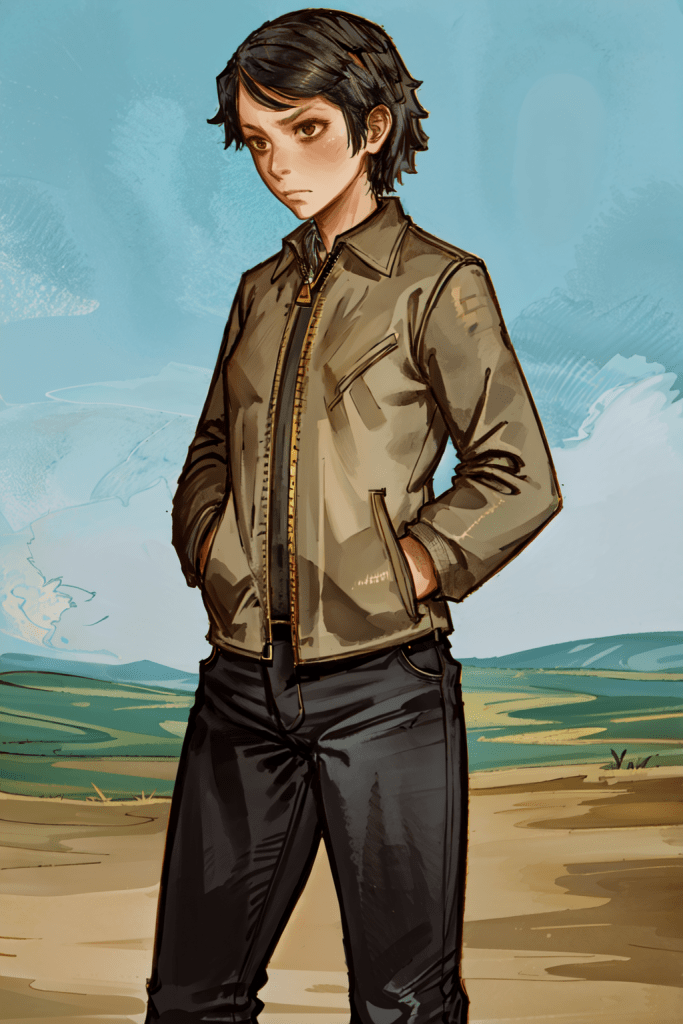


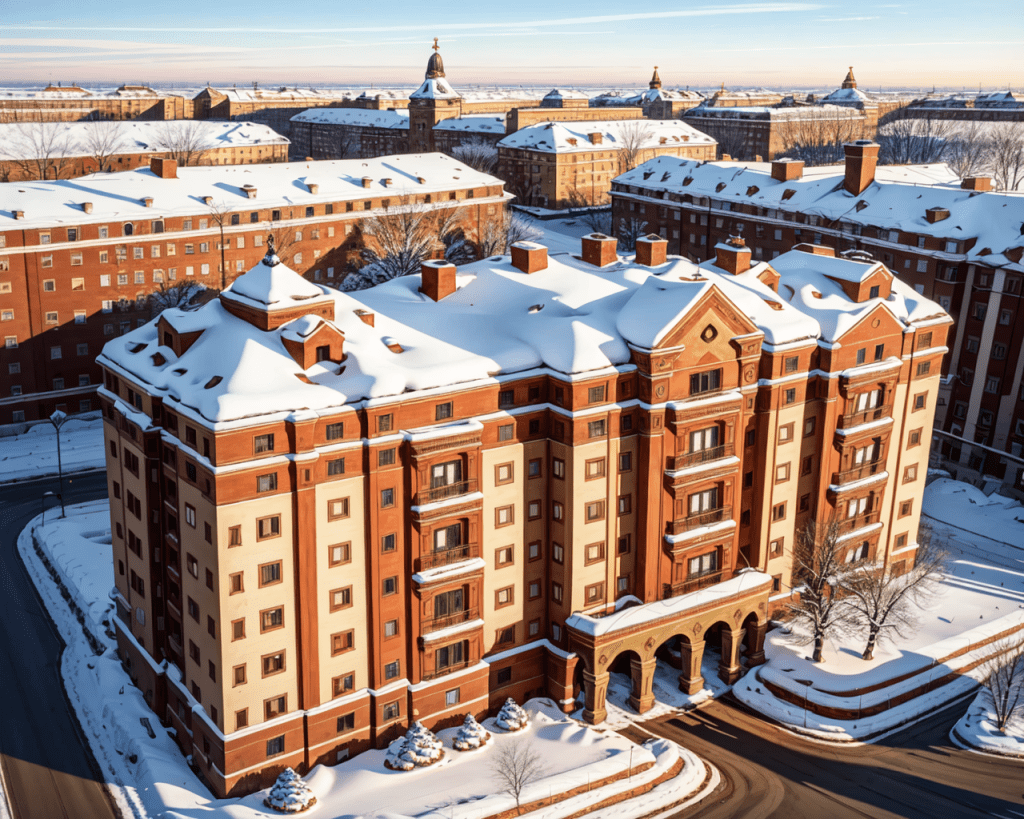
Some cityscapes I’ve made in Stable Diffusion:

And a mech for good measure:

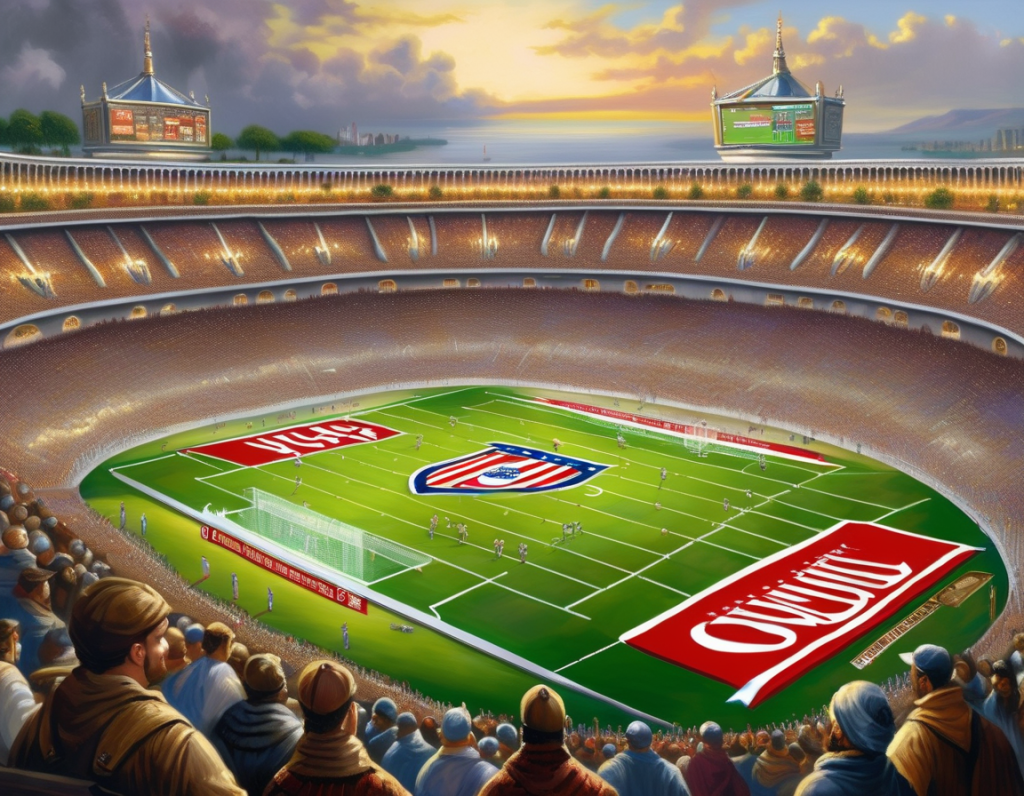
I just had to share this bizarre AI generation. Prompt was something like “Medieval Venetian style football stadium, in the style of Thomas Kinkade.”
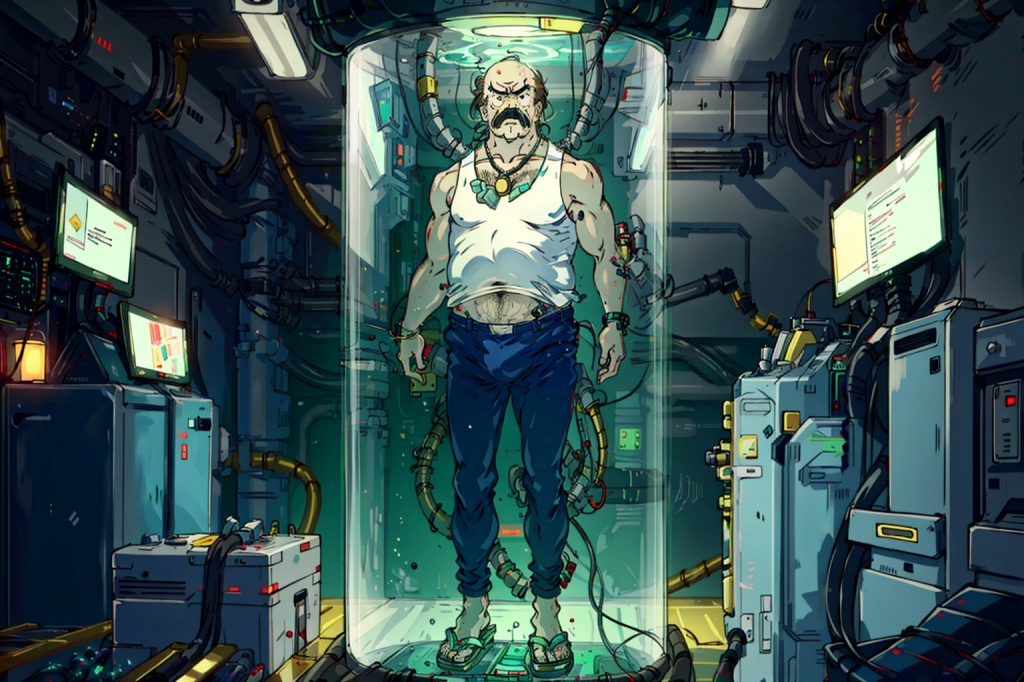
See, in a bunker that only a few people know the location of, someone rests in a stasis tank. Even fewer people know that this man is there, and fewer still know his significance. If the multiverse needs his services, he will be unleashed, and the cosmos will never be the same. Only a tiny amount of people know his name. They call him…
–Carl.
A while ago I did a post on the various Sovereign Union Mobile Corps in All Union, which included their “mascot” animals that appeared on each emblem. Now that Stable Diffusion XL has been released, I’m delighted to say that their logos became a reality. (Note: Some are rougher than others. Goal was general idea)
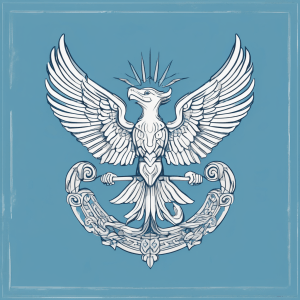
Starting things off is the 17th Corps that heroine Cholpon Murad-Kyzy served in during the Soviet Romanian War. Its mascot is the Huma Bird, and I chose the output/prompt that didn’t look so much like an eagle. Located in Central Asia, it serves as the de facto strategic reserve corps, being ready to go east, west, or south in equal measure.
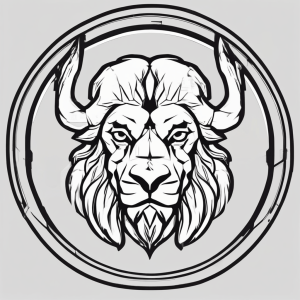
The Belarusian 5th Corps is a bison. Historically, it was the only such corps actually made (and not have a bison as its symbol.)
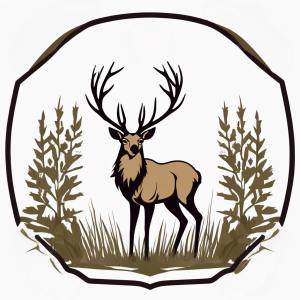
The 7th Corps is an elk. Not much else to say about it.
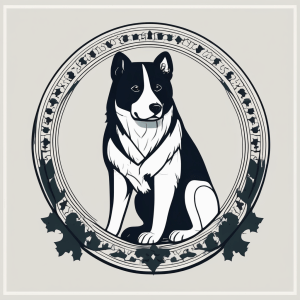
The Northwestern TVD’s 26th Corps has the Karelian Bear Dog as its mascot animal. It did not participate in the Soviet-Romanian War, but in the event that the All Union and Northern Fury timelines were fused into one combined World War III, it would be the central Soviet force in Norway.
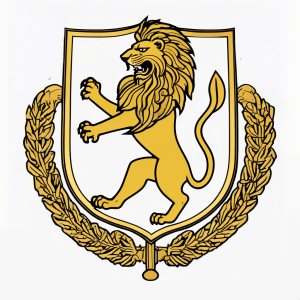
The Lviv-centered 28th Corps is one of the main units opposite new archrival Poland. Its symbol is a fairly plain lion.
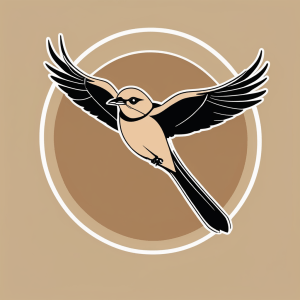
The Donbass-garrisoned 64th Corps was in many ways the “pet” unit of legendary reformist president Anton Yatchenko, who happened to come from that area. Its symbol is a nightingale, and it was one of the key units in the Romanian War.

The Crimea-based 32nd Corps was the only such one to serve in the southern Danube Front, and it only entered the battlefield after the initial Soviet-Bulgarian force had established firm bridgeheads on the northern side of the river. It’s the corps with the most focus on amphibious, airborne, and light infantry operations. Rumor has it that part of it is earmarked for a separate attack on Iceland. Its mascot is a hippocampus, a mythical literal sea horse.
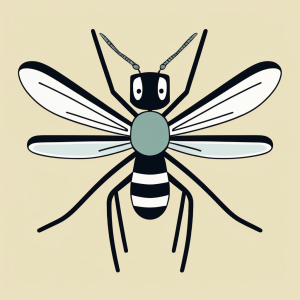
With its cartoon mosquito being the most whimsical logo of the entire army, the 43rd Corps is the primary mobile corps opposite the old and rising enemy: China. Because of this, it was never even considered being sent west to Romania in 1998.
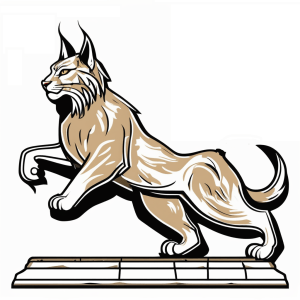
The leaping lynx that is the 57th is the other Far Eastern mobile corps. Like its “brother” the 43rd, it did not fight in the Romanian War. However, it was on standby along with the 26th in case a second mobilization and major operation needed to be launched (it didn’t).
 Fuldapocalypse Fiction