Review: Russian Gunship Helicopters

Russian Gunship Helicopters

The content of a book called Russian Gunship Helicopters should be pretty self-explanatory. Especially as it’s a Yefim Gordon book. This means you get tons of technical details that are uncited and frequently questionable, mixed with bad formatting and huge diversions into the pros and cons of various scale model kits. And a ton of pseudo-witty quotes that are really jarring compared to technical analysis. They come out of nowhere.

This book naturally covers the Mi-24, Mi-28, and Ka-50. As it was published in early 2013, it’s dated and doesn’t cover things like the Ukrainian and Syrian wars where these saw their first extensive use. It’s one big infodump and model kit review on the Hind, then one on the Havoc, then one on the Hokum.

The biggest problem is that while we get long explanations of what various components are on the helicopters, there’s one glaring omission. That’s how they’re actually used. The Mi-24 with its extensive track record is treated as an afterthought with Wikipedia-level “it flew around and shot things and occasionally dropped off people” simplicity. Reading a single Heavy OPFOR free document gives a lot more info on the actual doctrine of these things.

This is like many aviation enthusiast books: Weird and clunky but detailed. Even if in the wrong ways.
Paradrops

The problem with large parachute drops, especially post-World War II, is that you need to be able to get a bunch of large transport planes to the DZ. However, if you are able to do that, chances are you won’t need to do something as risky as a parachute landing anyway.

Then you run into the issue of whether or not the resources spent on guarding the paradrop are worth it or not. There’s a reason why large operational/strategic paradrops are more in the theoretical than real. However, even theoretical offers an advantage. The force in being strategy means that a defender must prepare for the possibility that a paradrop could happen.

Review: Flight of the Intruder

Flight of the Intruder

Well, I finally did it and read a classic Vietnam War aviation novel, Stephen Coonts’ Flight of the Intruder. The joke before its infamous film adaptation was released was “Fighter pilots make movies, bomber pilots make history.” Afterwards, it was “Fighter pilots make movies, bomber pilots make bad movies.” Having not seen the film yet (and not likely to sneer, as I enjoyed Iron Eagle of all things), do they make bad books?

The answer in my opinion is kind of but not really but also kinda? Coont’s first novel, this is basically Herman Melville but with A-6s. Read the long, long sequences of a plane doing plane things. The sequences of an attack run. The sequences of a carrier landing. The sequences of doing naughty things in the Philippines. You get the idea. Thing is, even though I didn’t really care for these, I could see the appeal, especially to a non-expert reader back in the past.

So this is another one of those “have I been skewed against this?” books. And there could be worse.

The Stingley and the SA-2

Time to look at one of my favorite examples of “Statistics don’t tell the whole story.”

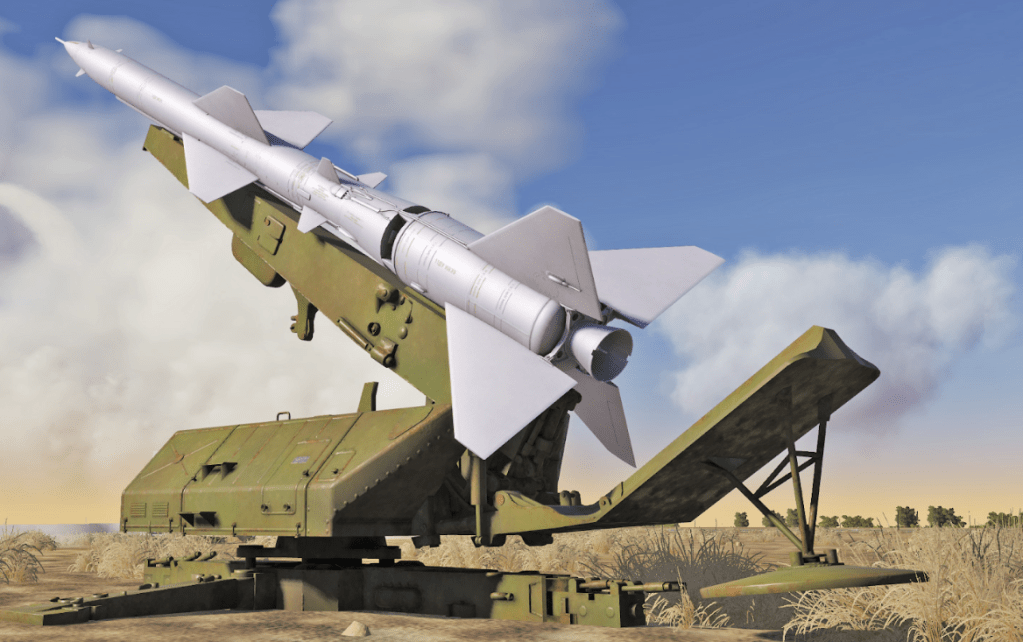
This is the SA-2/S-75 SAM. In Vietnam it accounted for only a single digit percentage of American losses. So it must be ineffective-right?

This is Texans cornerback Derek Stingley Jr who just got a monster contract. But he’s never had more than five interceptions in a season, good but not even close to league leading… Overpaid, or?

Or maybe SA-2s forced planes down low into the teeth of AAA and maybe the best corners succeeded because opposing QBs are deterred from throwing in their direction to start with.

Weird Wargaming: The All Union US Military Part 2: Air Force(s)

Part two of this alternate history series.

Background/USAF

Until September 9, 1998, the US Air Force and Navy was mostly in a holding pattern. About the only large procurement decision was going ahead with the A-6F and F-14E Super Tomcat programs due to the continued USSR, leaving the Super Hornet as a paper plane in this timeline.

Then the Sovereign Union destroyed 80% of Romania’s air force on the ground in minutes, and panic set in. V/STOL research and dispersed operations immediately began taking the highest priority, and as an interim measure, the first major foreign-built fighter in American service since the AV-8A was made in the form of the F-21 Griffin, aka the Gripen. A huge fight ensued over whether to phase out the F-16 or keep it. The results were mixed.

US Naval Aviation

The US Navy and Marine Corps have a mixture of Super Tomcats, F/A-18A-Cs, Sea Gripens, F-24 NATFs, and A-6Fs in a support role. The Intruders and Hornets are being phased out. No, this is not just an excuse to run scenarios in CMO.

5th Gen/Updates

A lot of helicopters, high-performance VTOLs, and the F-24 being “Phantomed” into the Air Force as well. The equivalent of the F-35 is just the F-35 B/C equivalent, since a pathological fear of normal air bases exists. (Ironically the Sovereign Union does NOT have quite a fear despite knowing what it can dish out, but that’s another story).

The Megaliners

I mentioned a long time ago how I had a fascination for “megaliners”, “superjumbos”, or aircraft designed to hold more passengers than a 747. Leaving aside the impracticality of them, most were/are pretty conventional. They just took an existing jumbo and either added or stretched the upper deck.

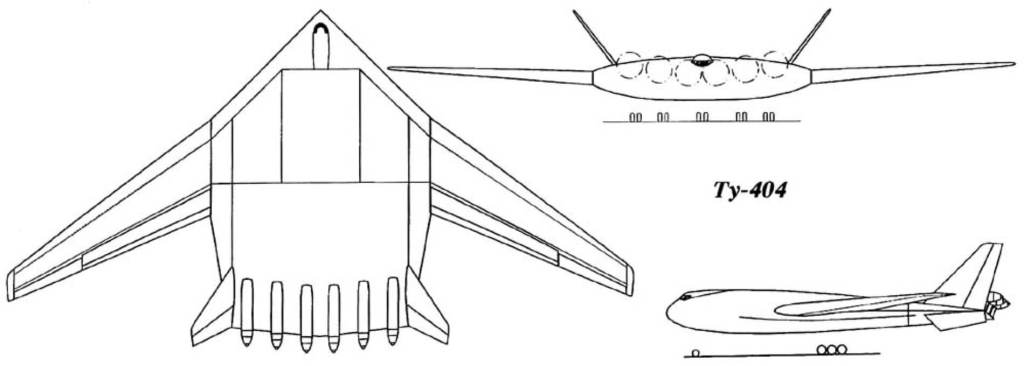
But not the Tu-404. This not-found Tupolev design was a flying wing for maximum passenger space.

Some variants stretched capacity into the four digits, and it would have been driven by six propfans.

Review: Alamo on the Rhine

Alamo on the Rhine

For the first World War III review of the new year, I turn to T. K. Blackwood’s Alamo on the Rhine, a spinoff/side story of the Iron Crucible 1990s World War III. It’s about a daring strike on a vital air base at the start of the war. Told with the same effectiveness as the other entries, I greatly enjoyed it.

I couldn’t help but see the parallels to Market Garden, Kitona, and Hostomel and wonder what role those historical battles played in the crafting of this book, similar to how I wanted a “Soviet Gulf War” in All Union but not an exact one. It’s to Blackwood’s credit that the excellent story does not come across as a simple historical copy-paste.
This is a very fun book of the kind I haven’t read in a while. Nice job.

Review: The BAC Three-Eleven

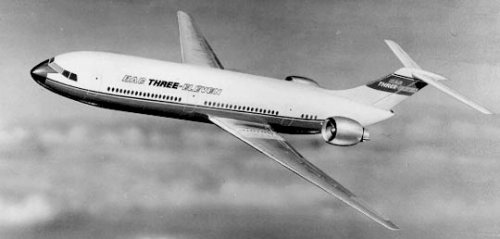
The BAC Three-Eleven: The Airbus That Should Have Been

In one of those “only someone like me would like this book” book purchases, I got Graziano Freschi’s book on the BAC Three-Eleven. The actual never-was airplane itself was an all-British two engine jumbo jet similar to the Airbus A300 only slightly larger and with both engines in the back.

Freschi both describes the plane and makes the argument that it was a mistake for the British to cancel it, as with many (if not all) their big postwar programs, they would spend large sums of money on something and then cancel it, getting the worst of both worlds. His case is weakened by Britain’s poor reputation in such regards, and he kind of hedges from “This would have been a success” to “Britain would have been in a better negotiating position when they rejoined Airbus”.

Though not perfect, it is an interesting look at an obscure plane.

A Thousand Words: Pearl Harbor

Pearl Harbor

I couldn’t let a Pearl Harbor anniversary go by without reviewing the infamous (pun intended) movie by Michael Bay. Now this is frequently on the list of worst movies ever. However, I liken it to Jefferson Starship’s We Built This City, something that yes, isn’t really good, but is criticized and slammed so much that you kind of have to defend it, since you can enjoy it as a guilty pleasure juuuuuust a little bit. I mean, are you really expecting historical accuracy from Michael Bay?

I didn’t think so. But one fair bit of criticism is Bay attempting his hand at a love story, which is kind of like a romantic comedy director trying to make an action movie. Said love story takes over far more of the plot than it needs, and is probably the biggest criticism I can give other than “Michael Bay.”

So yes, World War II as told by Michael Bay. I can think of a lot better. But I can also think of a whole lot worse.